

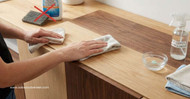
Keeping the Grain Looking Sharp
You’ve put in the work to install beautiful wood veneer, or maybe you’ve just moved into a home with high-end veneer panels. Now comes the part most people get wrong: keeping it clean. Because wood veneer sheets are made of genuine, thin-cut wood, you can't just douse them in harsh household cleaners and expect the finish to hold up.
Whether you're looking at the light pinstripes of white oak veneer or the deep, rich swirls of walnut veneer, here is the blue-collar guide to cleaning your wood without ruining it.
1. The "Less is More" Rule
The biggest enemy of veneer sheets isn't dust—it’s moisture and chemical buildup. If you use heavy waxes or silicone-based "polishes," you’re going to end up with a greasy film that creates a nasty glare. As we say in the shop, you want to see the wood grain, not a reflection of your ceiling lights.
- Daily Dusting: Use a soft, lint-free microfiber cloth. This picks up the grit that can scratch your finish over time.
- The Damp Wipe: If there’s a spill or a sticky spot, dampen your cloth with plain water. Wring it out until it’s barely damp—never "wet." Wipe the spot and immediately follow up with a dry cloth. You never want standing water sitting on a seam.
2. The DIY Cleaning Solution
If water isn't cutting it, skip the "lemon-scented" mystery sprays from the grocery store. Most of those contain oils that will eventually turn your white oak veneer yellow or make your walnut veneer look cloudy.
- The Pro Mix: Use a drop (and we mean just a drop) of mild dish soap in a bowl of warm water.
- The Process: Dip your microfiber cloth, wring it out completely, and wipe with the grain. If you wipe across the grain, you're just pushing dirt into the pores.
3. Dealing with Glares and Smudges
One of the best things about high-quality wood veneer is the detail in the grain. However, finger oils and cheap cleaners can create a "haze" or glare that makes it hard to see that detail.
- The Fix: If your veneer panels are looking splotchy, a 50/50 mix of water and white vinegar can help strip away old wax buildup. Just be sure to test it in a hidden spot first (like the inside of a cabinet door) to make sure it doesn't react with your specific topcoat.
4. What to Avoid (The "Never" List)
If you want your veneer sheets to last for decades, keep these away from your furniture and wood veneer for cabinets:
- Abrasive Pads: Never use steel wool or "magic" sponges. They act like sandpaper and will dull your finish in seconds.
- Ammonia or Bleach: These will eat through the finish and can even react with the glue holding the wood veneer to the substrate.
- Direct Sunlight: While not a "cleaner," UV rays are a slow-motion disaster for wood. If your walnut veneer is in a sun-drenched room, consider blinds or UV-filtering film on the windows to prevent fading.
Keep Your Wood Looking Like New
Proper maintenance is the difference between a project that looks "okay" and one that looks like it just came out of a custom furniture shop. By avoiding harsh chemicals and keeping moisture to a minimum, you ensure the natural beauty of your wood veneer stays the star of the show.
Need help choosing the right species or backing for a high-traffic area? Explore our selection of premium veneer sheets or contact our team today for expert advice on your next project.