


When you are designing a high-end commercial lobby, a luxury retail interior, or a custom residential kitchen, visual continuity is everything. Natural wood is celebrated for its organic character—its random knots, wild grain patterns, and shifting color tones. But in large-scale architectural design, that natural variation can quickly become a challenge.
If one wall panel has a warmer undertone or a darker hue than the panel next to it, the entire design loses its balance. This is where dyed and colored wood veneer sheets change the game. By taking the tactile warmth of real wood and pairing it with engineered color control, designers can achieve total visual harmony across massive installations.
What is a Dyed Wood Veneer?
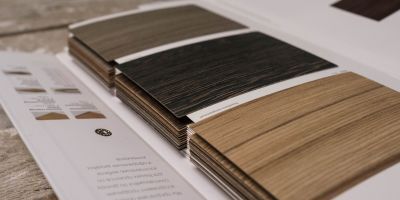
Unlike surface-painted wood or synthetic laminates, dyed veneers are made from genuine hardwood. The sliced veneer leaves are submerged in specialized vats where dye penetrates deep into the cellular structure of the wood.
- Retaining Real Grain: Because the dye absorbs directly into the fibers, the natural wood grain, growth rings, and texture remain completely intact.
- Beyond Nature: It allows designers to specify rich, uniform tones—ranging from deep, smoky charcoals and modern greys to vibrant reds and ultra-consistent natural shades—that raw timber rarely provides consistently on its own.
Why Architects and Designers Rely on Colored Veneers
- Flitch-to-Flitch Consistency: In large commercial builds, maintaining the exact same shade across hundreds of square feet of wall paneling is critical. Dyed veneers eliminate unpredictable color shifts between logs.
- Predictable Finishing: Raw woods can react unpredictably to stains and clear coats depending on mineral streaks and sap content. Dyed sheets provide a reliable base color from the start.
- Design Versatility: They give you the aesthetic freedom to match specific corporate branding, unique interior palettes, or challenging lighting conditions without compromising on the authentic feel of real wood.
Best Practices for Specifying and Installing Dyed Veneers
Working with colored and dyed veneers requires a slightly different approach than working with raw, un-dyed lumber. Keep these guidelines in mind during your planning phase:
- Understand Sequence Matching: Even with dyed veneers, subtle variations can occur from one batch to the next. For large wall installations or multi-panel cabinetry, always ensure your sheets are sequence-matched from the same flitch.
- Consult with Your Supplier: Because dye absorption can vary by species and harvest, it is vital to speak directly with your veneer supplier’s sales team to verify stock quantities and sequencing before finalizing project specifications.
- Protect Against UV Exposure: Just like natural wood, some dyed pigments can shift over time under harsh, direct sunlight. Always specify UV-blocking topcoats or architectural finishes to lock in your color palette.
PRO TIP FROM THE SHOP:
If your project demands strict color consistency across multiple rooms or floor levels, order extra footage from the same master flitch batch to account for any unexpected layout adjustments on site.