

Oak is one of the most versatile and beloved wood species in design, prized for its durability and natural beauty. When you're working with Oak wood veneer, you have several options that dramatically change the final look of your project. The difference lies in how the log is sliced, creating three primary cuts: flat cut, rift cut, and quartered cut.
This guide will explain the unique characteristics of each type of oak veneer and help you choose the best one for your design vision.
Flat Cut Oak Veneer
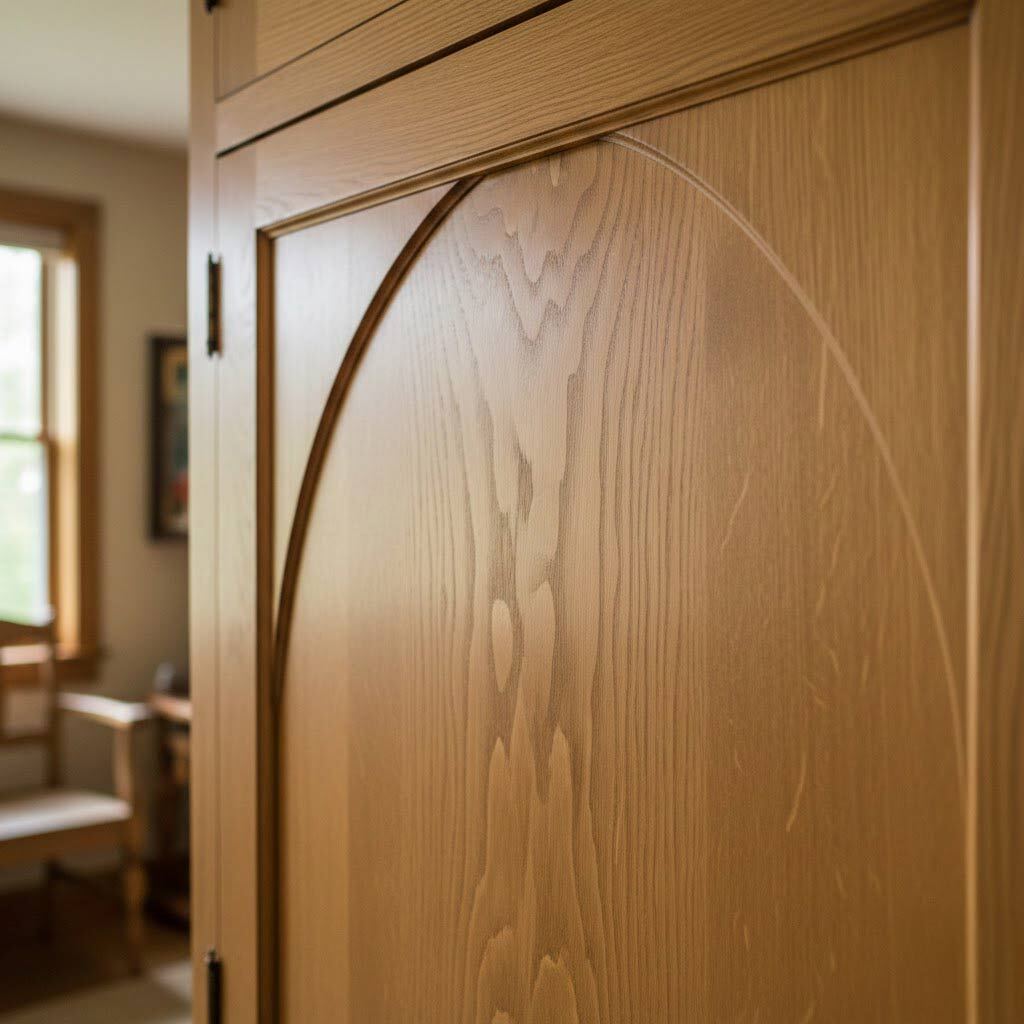
Flat cut (or plain sliced) is the most common and traditional way to cut oak veneer. The log is sliced in parallel to the center, creating a distinct "cathedral" grain pattern.
- Look and Feel: This cut showcases the classic, arch-like grain patterns that are characteristic of flat-sawn lumber. It creates a warm, natural look that is perfect for traditional cabinetry, furniture, and wall panels.
- Best for: Projects where you want to highlight the natural, flowing grain of the wood. This is the go-to for a classic, timeless aesthetic.
Rift Cut Oak Veneer
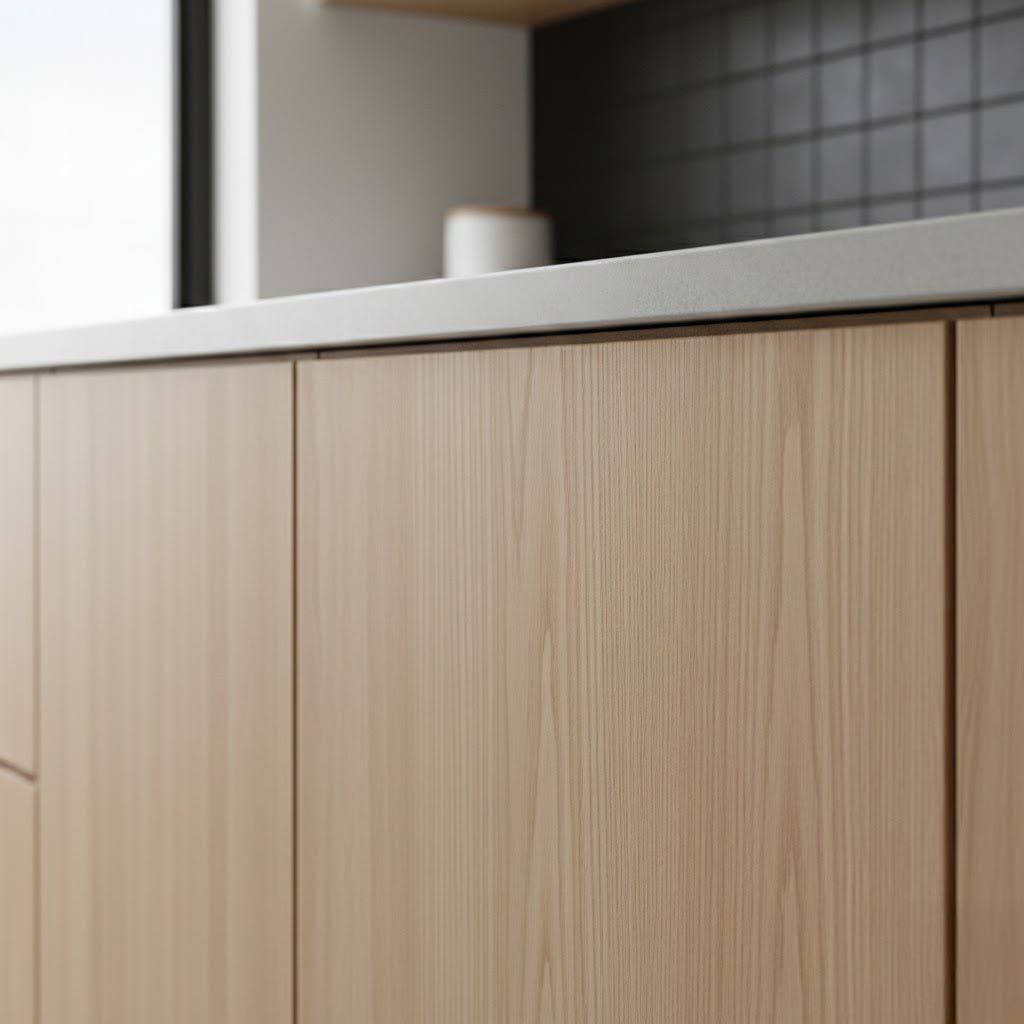
Rift cut veneer is produced by slicing the log at a 90-degree angle to the growth rings, creating a very straight, linear grain pattern.
- Look and Feel: Rift cut oak is known for its elegant, straight, and consistent grain. It has minimal "flaking" or variations, making it the perfect choice for modern, minimalist designs.
- Best for: Contemporary furniture, seamless cabinetry, and architectural wall systems where a clean, linear, and uniform look is desired.
Quartered Cut Oak Veneer
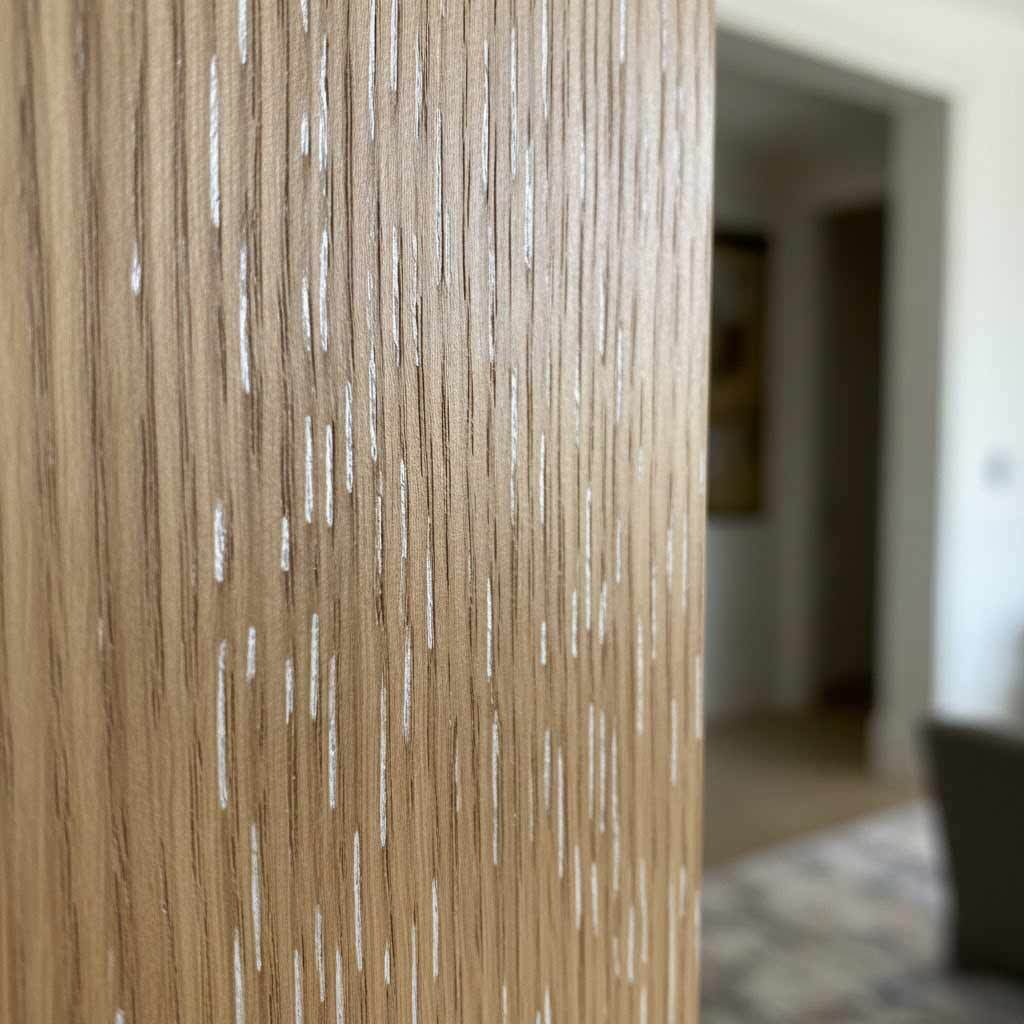
Quartered cut veneer is made by slicing the log into quarters before slicing the veneer sheets. This process creates a straight, vertical grain pattern with a unique ray flake or "fleck" effect.
- Look and Feel: The fleck is the most distinctive feature of quartered oak veneer. It gives the wood a striking, high-end appearance and adds visual interest.
- Best for: Fine furniture, architectural millwork, and high-end interiors where a refined and sophisticated look is desired. The unique fleck is a mark of quality.
Conclusion
When you choose oak wood veneer, you're not just picking a species; you're choosing a look. The way the log is cut—flat, rift, or quartered—gives you a powerful tool to control the final aesthetic of your project. Whether you want the classic cathedral pattern, the modern straight lines, or the refined fleck, there is a perfect oak veneer for your design.