


Wenge is one of those woods you notice right away. Its deep brown color and nearly black grain lines can give a simple cabinet or desk a bold look, even without dark stain.
But Wenge has a few quirks. It's coarse-grained, it can splinter, and the wrong finish can hide the contrast you're after. Here's what to know before picking your sheets.
What Color Is Wenge?
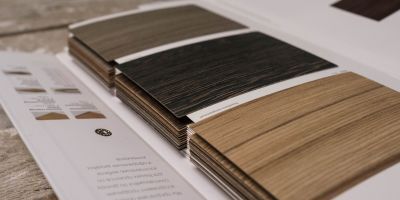
Natural Wenge comes from Central Africa. The heartwood ranges from medium to very dark brown, with strong, almost black lines. Under some finishes, the whole surface can look close to black.
That doesn't mean every Wenge sheet looks the same. Grain, lighting, and finish all make a difference. And, like other woods, its color may shift over time. Dark wood can also show fingerprints and dust, depending on the sheen you choose. That's worth considering for a busy kitchen or a desk you use every day.
Shop tip: Wenge can remind me of dark chocolate on one sheet and milk chocolate on another. I tell customers to test a sample using the exact finish they plan to apply, because a clear coat can change the color more than they'd expect.
Quartered or Flat-Cut Wenge?
Quartered Wenge has long, mostly straight lines. It's a natural fit for tall cabinet doors, shelving, and modern panels. Explore Quartered Wenge.
Flat-Cut Wenge shows broader curves and more grain movement. It can work well on furniture fronts and smaller feature areas. Explore Flat-Cut Wenge.
Neither is better. It comes down to whether you want a steady pattern or something with more movement. Before ordering for a group of doors, think about grain direction and how each sheet will meet the next one.
Natural Wenge vs. Engineered Wenge
Here's a choice that's especially helpful on larger jobs.
Natural Wenge is sliced from the actual tree. Color and grain vary from sheet to sheet, giving each piece its own character. That's often just what you want on custom furniture.
Engineered Wenge-look veneer is made from real wood that's processed and arranged for a more consistent color and grain. It's not printed plastic laminate. I often explain that difference to woodworkers planning large jobs, especially hotels and other commercial spaces where matching panels matters.
It's worth remembering that engineered doesn't automatically mean cheaper. Compare the specific sizes and backings, just as you would with natural veneer.
Oakwood carries natural Wenge along with engineered choices such as Echo Wood African Wenge and V-tec Quartered Wenge.
Shop tip: If you're covering several panels, decide how much grain variation you want before ordering. Consistent panels usually take some planning.
Where Wenge Works Best
Wenge can look great on cabinet doors, desks, sideboards, and accent walls. You don't need to cover an entire room to make a statement. A dark Wenge front against lighter wood can do plenty of work on its own.
For exposed plywood or MDF edges, look into matching Wenge edge banding while planning your order.
A Few Finishing and Handling Tips
Wenge has open pores and a coarse texture. If you want a glass-smooth finish, test a compatible grain filler on a sample. If you like the natural texture, you may prefer a finish that leaves more of it visible.
Sand veneer lightly and follow the product instructions. Its thin face doesn't leave much room for aggressive sanding. Take care when trimming corners, since the grain can chip. Wenge can leave sharp, painful splinters that may break under the skin. Its dust can irritate skin and lungs, too, so use eye protection, effective dust collection, and appropriate respiratory protection when cutting or sanding.
Our wood veneer finishing guide goes deeper into stains, oils, and clear coats.
Ready to Try Wenge?
For a one-of-a-kind piece, natural Wenge has plenty of character. For a larger project where matching matters, engineered Wenge may be worth a look.
Start with the grain you like, test the finish, and choose the right backing for the job. Explore Oakwood's Wenge veneer collection or ask us about your project before you cut the first sheet.