

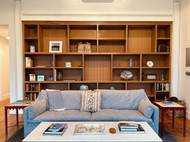
When remodeling a kitchen, designing custom furniture, or specifying materials for commercial interiors, two popular surfacing products often come up: wood veneer sheets and laminate. While both are used to cover a substrate, they are fundamentally different materials with distinct aesthetic and performance characteristics.
For a luxury finish, superior durability, and the genuine look of wood, wood veneer is the clear winner over synthetic wood laminate sheets.
Here are 7 essential benefits of choosing genuine wood veneer for your next project:
1. Genuine Wood, Not Plastic
Wood veneer is sliced from a real timber log, meaning it possesses the unique grain, color, and texture of the actual species—be it walnut veneer, white oak, or teak. Laminate, conversely, is a printed pattern on paper, covered in a clear plastic layer (melamine).
-
Benefit: Veneer delivers authentic, natural beauty that cannot be replicated by synthetic wood laminate sheets.
2. Superior Longevity and Value
Because wood veneer is real wood, it develops a patina over time, increasing its character and value. It can also be lightly sanded and refinished to remove minor scratches and renew its appearance. Laminate is a finished plastic surface that cannot be repaired or renewed and must be entirely replaced when damaged.
-
Benefit: Veneer is a long-term investment, offering repairability and timeless appeal for projects like wood veneer for cabinets.
3. Deeper, Richer Grain and Figure
The three-dimensional look and depth of a high-end species like figured mahogany or a unique cut like burl cannot be matched by a flat, photographic laminate print. Veneer captures the light and shadow across the grain, giving your project depth and dimension.
-
Benefit: Achieve a high-end, luxury aesthetic for executive wood veneer for furniture and custom millwork.
4. Perfect for Architectural Matching
When you need to cover large areas or ensure grain flows continuously across multiple surfaces, only real wood veneer allows for professional matching techniques (bookmatching, slip matching, sequence matching). Laminate cannot be matched this way, limiting its use on large veneer panels.
-
Benefit: Flawless continuity and professional matching across entire rooms, ideal for commercial wood veneer applications.
5. Customization and Refinishing
Veneer can be stained to a specific color, giving designers and homeowners ultimate control over the final look. For example, you can achieve a "cerused" or specialized finish on white oak veneer that is impossible with pre-printed laminate sheets.
-
Benefit: Full design flexibility to match existing décor or create a wholly custom finish for wood veneer for interior design.
6. Environmentally Sustainable
Wood veneer is considered an eco-friendly material because it maximizes the yield of a single log. A single log can produce thousands of square feet of veneer, whereas the same log used for solid wood would yield only a fraction of the material, making veneer a highly efficient choice.
-
Benefit: Achieve a premium look with an ethically sourced, sustainable product.
7. The Preferred Choice for Premium Backers
While laminate is simply glued to a rigid surface, wood veneer is available with multiple specialized backing materials (like paper-backed or phenolic-backed). These backers provide superior stability, moisture resistance, and easier application, especially when using self-adhesive options like PSA veneer.
-
Benefit: Superior structural integrity and a wider range of installation options compared to simple wood laminate sheets.