

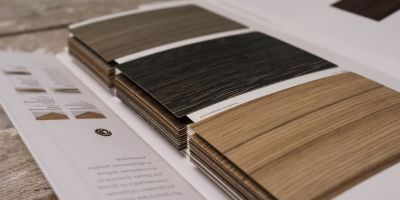

You’ve spent days prepping your substrate, carefully matching your grain patterns, and running your panels through the press. The wood veneer sheet looks flawless, sits perfectly flat, and you’re feeling good. Then comes the finish coat. You spray on your favorite high-performance topcoat, step back to admire the wet sheen, and watch in horror as dozens of tiny bubbles begin to blister across the wood surface right before your eyes.
Congratulations: you’ve just witnessed a chemical war zone beneath the wood grain, and your glue line lost.
One of the most heartbreaking ways to ruin a premium veneering project is a finish room callback. Too many woodworkers treat sanding, gluing, and finishing as completely separate steps. In reality, the chemicals you spray on top of the wood can travel straight down through the pores and violently react with the adhesive holding the sheet down.
Let's talk about the physics of "hot" solvents and how to keep your finish from melting your hard work.
1. The Culprit: "Hot" Solvents vs. Contact Cement
If you are using water-based glues (like a standard PVA) in a vacuum press or cold press, your glue line cures into a tough, rigid plastic barrier. It’s highly stable and chemically resistant.
But if your shop relies on traditional contact cement—especially the sprayable, solvent-based stuff—you are working with a rubber-based adhesive that stays somewhat flexible. That rubber layer remains highly sensitive to certain harsh chemicals.
When you spray a "hot" solvent topcoat, such as a nitrocellulose lacquer, conversion varnish, or a heavy-duty polyurethane, the finish doesn't just sit on top. The liquid solvents in those coatings are formulated to evaporate rapidly, but before they do, they bite deep into the wood pores. If that solvent hits a standard contact cement glue line, it acts as a paint stripper. It literally re-liquefies the rubber tack, releasing trapped gases and breaking the bond. As those gases try to escape upward, they lift the thin wood veneer sheet, creating a nightmare of blisters and bubbles.
2. The Finishing Rule Book: Matching Your Coats to Your Glue
You don't have to change your entire workflow, but you absolutely have to make sure your chemicals are on speaking terms. Follow these shop rules to avoid a disaster:
- When Using Solvent-Based Contact Cements: Steer clear of flooding the panel with wet, heavy coats of lacquer or conversion varnish right out of the gate. If you must use a hot topcoat over a contact cement layout, spray your first two rounds as dust coats or flash coats. Keep them extremely light so the solvents evaporate into the air before they have a chance to soak down to the glue line.
- The Safe Route: If you love solvent-based contact cement but can't risk a reaction, look into a water-based polyurethane or polyacrylic topcoat. They don't contain the aggressive solvents that melt rubber, meaning your glue line stays completely safe.
- The Penetrating Oil Trap: Be careful with heavy applications of penetrating oils or oil-based stains on open-grain woods like Red Oak Veneer or Ash Wood Veneer Sheets. If you flood the surface and let the oil pool in the grain, it can soak straight through a thin 10-mil backer and soften the adhesive underneath.
3. Your Structural Insurance: BFV and Phenolic Backers
If your shop floor layout requires aggressive, heavy commercial finishes (like a catalyzed conversion varnish for a restaurant bar top) and you must use contact cement for job-site speed, your standard 10-mil paper backer is playing Russian roulette.
You need a physical wall between your finish and your glue. This is exactly why we build 22.2 Mil BFV (Bubble Free Veneer) and Phenolic-backed sheets. The thicker, dense paper layer in BFV acts as a thermal and chemical sponge, stopping those hot lacquer solvents from reaching the adhesive line. Phenolic backing goes a step further, creating a completely impenetrable plastic barrier that keeps your glue and your finish completely isolated from each other.
In Summary: Don't Melt Your Margins
A flawless finish is supposed to showcase the natural beauty of the timber, not pull it off the board. By matching your topcoats to your pressing method and respecting how solvents move through open-grain cells, you can stop bubbles before they ever have a chance to form.
Before you mix up your next batch of stain or pull the trigger on your spray gun, make sure your backing can handle the heat. We’ve spent forty years troubleshooting finish room headaches and helping shops pick the perfect materials for high-performance coatings. If you have questions about chemical compatibility or need to order sample sheets to test your shop's specific finishing system, give us a shout. Contact us today to talk shop with our team, or to get an accurate, wholesale quote on stable Wood Veneer Sheets and industrial-grade Wood Veneer Panels.