When it's time to apply a new wood veneer, the adhesive you choose is just as important as the veneer itself. The two most common options are contact cement and wood glue, and each has its own set of advantages and ideal applications. Understanding the difference is crucial for a successful project, and knowing which adhesive is best for veneer can save you from costly mistakes.
Here's a breakdown of both adhesives to help you decide which is right for you.
Wood Glue: The Traditional Choice
Standard wood glues (like a yellow or white PVA glue) are a time-tested choice for woodworking.
- How it Works: Wood glue is a wet adhesive that requires clamping pressure to create a strong, permanent bond as it dries.
- Advantages:
- Strong Bond: Wood glue creates a very strong, rigid bond that is durable and long-lasting.
- Open Time: You have plenty of time to position your veneer perfectly before the glue begins to set.
- Cost-Effective: It is generally more affordable than contact cement.
- Disadvantages:
- Clamping: You MUST use clamping pressure, typically with a veneer press or numerous clamps, to ensure a tight bond and prevent bubbling. This can be challenging for large or irregularly shaped surfaces.
- Cure Time: It takes several hours to fully cure, meaning your project is tied up for a while.
- Best for: Small projects, furniture, and applications where clamping is easy and you need a rock-solid, non-flexible bond.
Contact Cement: The Professional's Favorite
Contact cement is a quick-setting adhesive that bonds instantly on contact.
- How it Works: You apply a thin layer of the cement to both the veneer and the substrate, let them dry totally, and then carefully press the two surfaces together. The bond is instantaneous.
- Advantages:
- No Clamping: It requires no clamping, making it ideal for large sheets or projects where clamping is difficult.
- Instant Bond: The instantaneous bond saves time and is perfect for large-scale production or quick repairs.
- Versatility: It works on a wide variety of substrates, including porous and non-porous materials.
- Disadvantages:
- No Room for Error: The bond is immediate, so you must position your veneer perfectly the first time. There is no open time for adjustments.
- Strong Fumes: Contact cement could have a strong odor and requires good ventilation during application.
- Best for: Large surfaces like wall panels, countertops, and doors, as well as complex shapes where clamping is impossible.
- Don’t Forget:
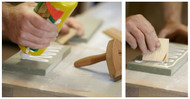
- You must press the veneer firmly with a block of wood that has a tight radius. This is a critical step for a successful application.
- For similar results, you can also use a carpet tucker tool, which is like a plastic scraper. You can purchase one at Lowe's or Home Depot for about $9.00.
Conclusion
So, which adhesive is best for veneer? If you have the tools and patience for clamping, wood glue provides a durable, reliable bond. If you need a fast, clamp-free application for a large surface and are confident in your placement skills, contact cement is the superior choice. The right adhesive depends entirely on your project's scale and your personal preference.