

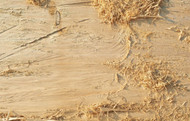
Birch veneer is one of the most popular and affordable veneer sheets available, prized for its light color, smooth grain, and stability. However, like any real wood product, it requires specific techniques to prevent common issues like veneer tearout during cutting.
Whether you're making wood veneer for cabinets or refinishing furniture, these techniques will ensure a flawless, professional finish.
1. The Right Tools and Prep: Preventing Tearout
Tearout occurs when the veneer fiber lifts and breaks at the cut line, resulting in a ragged edge. This is especially common when working with thin wood veneer sheets and rotary-cut species like Birch.
Cutting Straight Lines
-
Use a Sharp Knife and Straight Edge: The simplest method is often the best. Use a utility knife or razor with a brand new, sharp blade. Score the line multiple times (4-5 passes) along a metal straight edge. Do not try to cut through on the first pass. The goal is to separate the wood fibers cleanly, not crush them.
-
The Tape Trick: Apply painter’s tape or masking tape along your intended cut line before marking and cutting. The tape acts like a clamp, holding the top wood fibers down and minimizing tearout.
-
Use a Veneer Saw: A specialized veneer saw has no set teeth and is designed to score and cut in a way that prevents lifting.
Cutting Curved Lines
-
For curved cuts, use a very fine-toothed scroll saw or a razor-sharp rotary cutter, always cutting outside the line and sanding down to the final edge.
2. Adhesion is Key: Working with Backed and PSA Veneer
Proper adhesion is essential for the long-term integrity of your wood veneer for furniture projects.
-
For Paper-Backed Veneer: Use a high-quality wood glue or contact cement. Ensure both the substrate and the veneer are clean and dry. Apply even pressure—using a veneer roller or clamps—to achieve a complete bond.
-
For PSA Veneer: PSA veneer (Pressure Sensitive Adhesive) is the easiest option for beginners. Simply peel the protective paper and firmly roll the veneer onto the clean substrate using a hard rubber roller.
3. Repairing Minor Damage and Dings
If tearout or minor damage occurs, you don't have to scrap the sheet.
-
Filling Small Chips: For tiny chips or small voids along the edge, use wood filler that matches the birch veneer color. Once dry, sand lightly and apply your finish.
-
Patching: For larger areas, cut a small, clean patch from a scrap piece of matching veneer. Use a utility knife to score around the damaged section, remove the piece, and glue the new patch into place. Matching the grain direction is crucial for an invisible repair.
By utilizing these professional techniques, your next project using birch veneer sheets will look flawless and perform for years to come.