

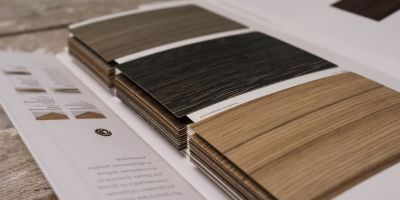
In commercial architecture—especially in hospitals, schools, and government buildings—aesthetic beauty is often secondary to life safety. As a millworker or architect, you cannot simply install a standard Walnut wall panel and expect it to pass a fire marshal's inspection. You must understand the science and the law behind Fire-Rated (FR) Veneer Panels.
Understanding the Ratings: ASTM E-84
The industry standard for fire safety in the US is the ASTM E-84 "Tunnel Test," which measures two things: Flame Spread Index (FSI) and Smoke Developed Index (SDI).
- Class A (or Class I): Flame Spread 0-25. This is the highest rating. It is mandatory for "means of egress" (hallways, stairwells) and assembly areas where people gather.
- Class B (or Class II): Flame Spread 26-75.
- Class C (or Class III): Flame Spread 76-200. This is the standard rating for most residential furniture and residential interior finishes.
Anatomy of an FR Panel
A fire-rated panel is not just "treated wood." It is an engineered assembly.
- The Core: You must use an FR-MDF or FR-Particleboard. These cores are manufactured with fire-retardant chemicals (usually ammonium polyphosphate) mixed into the wood fibers before pressing. You can usually identify these by their pink or red hue.
- The Veneer: A standard wood veneer (typically 1/42" thick) is thin enough that it doesn't contribute significantly to the fuel load. However, the combination of the veneer and the core must be tested.
- The Adhesive: This is the "weak link." Standard solvent-based contact cement is highly flammable. For a Class A panel, you must use a water-based FR glue or a urea-formaldehyde resin.
Technical Comparison: Core Materials for Fire-Rated Projects
|
Core Material |
Fire Rating |
Weight |
Best Application |
|
Standard MDF |
Class C |
Heavy |
Residential Cabinetry |
|
FR-MDF |
Class A |
Very Heavy |
Office Lobby Wall Panels |
|
FR-Particleboard |
Class A |
Medium |
Commercial Casework / Cabinets |
|
Vermiculite Board |
Class A+ |
Extreme |
High-Heat Industrial Zones |
Specifying for Success
When you call Oakwood Veneer to order fire-rated panels, have your "Submittal Package" ready. We can provide the specific test results and certifications your inspector will require.
Pro Tip for Millworkers: Do not use "Fire Retardant Paint" on the back of a standard panel to try and "cheat" a Class A rating. Inspectors can tell the difference, and it rarely meets the smoke-development requirements. Always start with a certified FR core.
From the kitchen of a custom home to the halls of a Class-A office building, Oakwood Veneer provides the technical expertise and the material quality to ensure your project is both beautiful and compliant.