

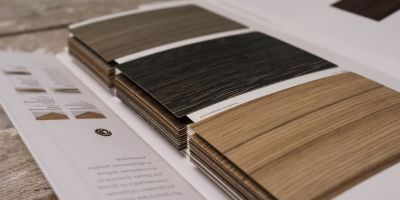
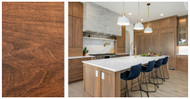
The iron-on veneer method is a simple, effective technique widely used by professionals and DIYers to achieve a strong, permanent bond when working with wood veneer sheets. This technique utilizes a specialized, heat-activated adhesive (which is either pre-applied to the veneer or sold separately as a glue) to secure the veneer to a substrate using a household iron.
For any successful project, you need a high-quality, durable, and easily managed product. Our premium flexible sheet veneer and veneer wood sheets are perfectly suited for this application method.
Understanding the Iron-On Veneer Technique
The "iron-on" process relies on heat to activate the adhesive, turning what can be a complex gluing task into a quick, clean, and controlled process.
-
The Glue Component: This method requires a heat-activated adhesive. This might come as pre-glued veneer (sold by other retailers) or as a separate liquid or film glue that is applied to the substrate first.
-
The Veneer Component: You need a high-quality, durable veneer that can withstand the heat and handling required by the iron-on method. Our carefully prepared flexible sheet veneer provides the stability and consistency needed.
Important Disclaimer: Oakwood Veneer specializes in providing the largest selection of premium wood veneer sheets and veneer wood sheets in North America. We do not sell pre-glued veneer or separate heat-activated adhesives. Customers using this method must purchase the necessary iron-on products from another source.
The 5-Step Guide to Applying Wood Veneer Sheets with the Iron-On Method
Once you have your heat-activated glue product and your chosen flexible sheet veneer from us, follow these steps for a professional result on your wood veneer for cabinets or wood veneer panels.
Step 1: Prepare the Substrate and Adhesive
The substrate—the surface you are veneering—must be clean, dry, and perfectly smooth.
-
Sand the surface with fine-grit sandpaper (around 120-150 grit) to provide a clean bond.
-
Remove all dust with a tack cloth. A smooth substrate is critical, as any imperfection will telegraph through the thin veneer wood sheets.
-
Adhesive Application: If using separate heat-activated glue, apply it to the substrate now and follow the manufacturer's drying or setting instructions before proceeding.
Step 2: Cut the Veneer to Size
Measure your substrate and cut your wood veneer sheets to a slightly larger size.
-
Leave an extra
$1/2$ to 1 inch of overhang on all sides. This overlap is trimmed later and ensures complete coverage. -
Use a sharp utility knife or a specialized veneer cutting tool for the cleanest cut edges.
Step 3: Position and Secure the Veneer
Carefully place the oversized flexible sheet veneer onto the substrate.
-
Ensure the grain pattern is perfectly aligned.
-
Once positioned, use low-tack painter's tape to secure the edges to prevent the veneer from shifting during the initial heat application.
Step 4: Activating the Bond with Heat
Set your household iron to a high heat setting, ensuring the steam function is turned OFF.
-
Begin pressing the iron firmly onto the center of the veneer.
-
Move the iron slowly and deliberately from the center outward to the edges, working in small, overlapping sections. The heat will activate the adhesive, creating a strong, permanent bond between the substrate and the veneer sheets.
-
Hold the iron for several seconds on each section, applying consistent, downward pressure.
Step 5: Trim and Finish the Wood Veneer Edges
Once the veneer is fully bonded and has completely cooled (allow at least 15 minutes), the final step is trimming.
-
Use a sharp veneer trimming tool, razor knife, or a router with a flush trim bit to carefully cut away the excess material from the edges of your wood veneer panels.
-
Once trimmed, lightly sand the edges to make them smooth. You can then apply your desired wood finish—stain, lacquer, or polyurethane—to complete your high-quality veneered surface.
Conclusion
The iron-on method offers speed and reliability, making it an excellent application choice for our diverse selection of premium wood veneer sheets. When you pair this straightforward technique with our highest quality flexible sheet veneer, you ensure that your wood veneer for cabinets or furniture projects will result in a durable, beautiful, and professional finish.