

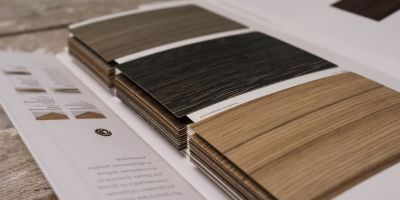
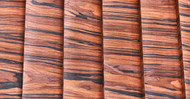
When working with wood veneer for furniture or high-end architectural jobs, the real secret is all in how you lay out that grain. Veneer sequencing and solid veneer matching techniques are the tools of the trade for any pro looking to turn out a clean, sharp-looking project. If you know how to handle the flow of the wood, you can take a plain surface and turn it into a real piece of art that’ll stand the test of time.
What is Veneer Sequencing?
Think of veneer sequencing as keeping your ducks in a row. It’s the process of keeping every individual wood veneer sheet in the exact order it came off the log (that’s what we call a flitch). Since the grain only shifts a tiny bit from one slice to the next, a sequence gives you a consistent "story" across the whole batch.
-
Why It Matters: Sequencing is what makes a project look like it was built right. It gives you a seamless, steady look across veneer panels, doors, or custom cabinets. If you’re doing a big commercial job or an architectural wall, the last thing you want is a sudden jump in color or grain that throws the whole thing off.
Video Guide: How to Sequence & Match Wood Veneer
Watching a pro handle a flitch is the best way to understand how these patterns come together. In this video, we break down the shop techniques for selecting sequenced wood veneer and how to execute a perfect match for veneer panels.
In this video, you'll learn:
-
How a "flitch" of veneer is organized for consistent grain flow.
-
The visual difference between bookmatching and slip matching.
-
Pro tips for inspecting wholesale wood veneer before you start your glue-up.
Pro Tip: If you're looking for a specific grain pattern for a high-end furniture build, always ask your supplier for "sequenced" sheets to ensure your panels match perfectly from left to right.
Popular Veneer Matching Techniques Explained
Once you’ve got your hands on a good set of sequenced wood veneer sheets, the way you match 'em up is what gives the job its character. Here’s a breakdown of the best ways to get it done:
1. Bookmatching
This is the one we see the most, and for good reason—it’s the gold standard for bookmatched panels. You take every other sheet and flip it over just like you’re opening a book.
-
The Look: A mirrored, symmetrical grain that’s perfectly balanced.
-
Best For: Big-time focal points like conference tables, feature walls, and high-end wood veneer for cabinets.
2. Slip Matching
With this one, you just slide the sheets out side-by-side in the same order they were cut, no flipping involved.
-
The Look: A steady, repeating grain that’s a bit more low-key. It’s great for making the piece look like it was made from one solid slab of wood.
-
Best For: Jobs where you want a clean, professional look without the seams standing out too much.
3. Random Matching (Plank Matching)
Here, you take sheets from different flitches or different parts of the log and mix 'em up.
-
The Look: A casual, "planked" look that feels a bit more rustic.
-
Best For: When you’re going for that farmhouse or lived-in feel and you want to avoid that "perfectly manufactured" look.
4. End Matching
This is for when you need to go long. You match the grain end-to-end instead of side-to-side.
-
The Look: A grain line that looks like it just keeps on going forever.
-
Best For: Long architectural wall panels or those massive executive desks.
Why Quality Sequencing Matters for Your Project
Over here at Oakwood Veneer, we make it our business to get you the best cut and sequenced wholesale wood veneer you can find. We know that if you want a professional result, you need material that talks the same language across the whole install.
Conclusion
Picking the right veneer matching techniques can take a simple project and make it something folks are really going to notice. When you understand veneer sequencing, you’re the one in the driver's seat. You get to control exactly how that grain moves, making sure every job you turn out is custom, clean, and built to impress.