

What to Look for When Choosing Wood Veneer
Choosing the right wood veneer for your project isn't just about picking a pretty grain. It's about ensuring the final piece is durable, functional, and actually doable with the tools you have in your shop. If you’re stuck between a premium white oak veneer and a budget-friendly flat-sawn ply, here are the 12 factors you need to weigh before you pull the trigger.
1. Type of Veneer: Natural vs. Engineered
-
Natural Veneer: This is 100% real hardwood sliced straight from the log. It gives you an authentic, one-of-a-kind grain pattern. It's the only choice for high-end furniture where you want the "soul" of the wood to show.
-
Engineered Veneer: Often called man-made veneer or recon, this is real wood that has been re-composed to have a perfectly consistent color and pattern. It’s the go-to for modern commercial projects or large cabinet runs where every door has to match.
2. Wood Species Selection
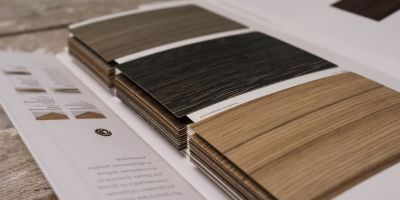
Choose a species that fits both the look and the "workability" of the piece. You can browse our full selection of wood veneer sheets here to find the perfect match.
-
Hardwoods: (Oak, Maple, Walnut) These are the workhorses. Durable, elegant, and perfect for walnut veneer sheets used in high-traffic cabinetry.
-
Exotic Woods: (Teak, Mahogany, Rosewood) Luxurious and distinctive, but they often require more care during finishing.
-
Burl Woods: (Maple Burl, Mappa Burl, Walnut Burl) These are highly figured and completely unique. They are stunning but can be brittle, so handle with care.
3. Veneer Grade
-
A-Grade: Flawless and intended for "face" work where appearance is everything.
-
B-Grade: May have minor natural imperfections; great for less visible sides or "inside" panels.
-
C or D Grade: Functional but flawed; usually reserved for structural backing or parts that will never see the light of day.
4. Thickness and Sanding
Don't get caught with veneer that’s too thin to work with.
-
Standard Thickness: High-quality veneers (around 1/40") allow for light sanding and refinishing.
-
Ultra-Thin: While more flexible, thin veneers are prone to "sand-through" (where you burn through the wood to the glue layer). If you plan on sanding, go with a thicker sheet.
5. Backing Type: Stability is Key
The backing determines how the veneer behaves during installation:
-
Paper-Backed (10mil & 22mil BFV): This provides a stable, flat surface that’s easy to glue down, especially on large panels.
-
PSA Veneer (Peel-and-Stick): Pressure Sensitive Adhesive is the "DIY lifesaver." It’s incredibly convenient for refacing cabinets without needing a vacuum press or messy contact cement.
6. Grain Patterns
How the grain is laid out makes all the difference. For a deeper dive into layout patterns, check out our Mastering Veneer Sequencing & Matching Guide.
-
Book-Matched: Symmetrical "mirror" patterns—perfect for large tabletops.
-
Quarter-Sawn: Provides straight, uniform lines for a clean, vertical look.
-
Rotary-Cut: Broad, bold patterns that make a loud statement.
7. Color and Finish Compatibility
Always think about the final coat. Some species, like maple veneer, take stain beautifully, while others are best left natural to show off their inherent color. If you want to skip the mess, look into pre-finished options.
8. Application Method and Skill Level
-
Beginner-Friendly: If you’re new to this, PSA veneer or paper-backed sheets with contact cement are your best bet.
-
Pro-Level: Raw veneer requires a vacuum press or specialized glue-up techniques that take a bit more experience to master.
9. Durability for the "Real World"
If you’re building kitchen cabinets or a desk that’s going to see daily abuse, stick with a hard species like Oak or Ash. Save the softer, more intricate figured woods for decorative accents or low-impact furniture.
10. Moisture and Heat Resistance
Wood moves, and veneer is no different.
-
Kitchen/Bath: Use moisture-resistant backers (like phenolic) and a high-quality topcoat to seal the wood from humidity.
-
Heat: Never place veneered surfaces directly against high heat sources, as it can compromise the glue bond over time.
11. Cost vs. Value
Balance your budget with the project's lifespan. An exotic burl might cost more upfront, but the durability and "wow factor" usually pay off in the long run compared to cheaper laminates. We've debunked some common veneer myths that explain why the value of real veneer far outweighs plastic alternatives.
12. Supplier Reputation
Don't buy sight-unseen from a random warehouse. Use a trusted supplier that provides accurate descriptions, samples, and actual shop-tested advice.
Conclusion
By keeping these factors in mind, you’ll be able to choose a wood veneer that fits your project’s needs, style, and budget. Whether you're doing a full kitchen reface or a single custom table, the right substrate and veneer combo make all the difference.