

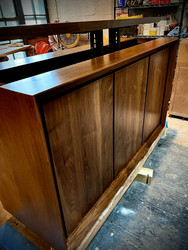
Choosing the right wood veneer for your project ensures the best results in terms of appearance, durability, and functionality. Here are the key factors to consider:
1. Type of Veneer
- Natural Veneer: Made from real wood, it provides an authentic and unique grain pattern. Best for high-end or visible projects.
- Engineered Veneer: Manufactured to have consistent patterns and colors. Ideal for modern designs or when uniformity is needed.
2. Wood Species
- Choose a species that matches your aesthetic and functional requirements:
- Hardwoods (e.g., oak, maple, walnut): Durable and elegant, suitable for furniture and cabinetry.
- Softwoods (e.g., pine): Lighter and often more affordable but less durable.
- Exotic woods (e.g., teak, mahogany): Distinctive and luxurious but more expensive.
- Burl woods (e.g., maple burl, mappa burl, walnut burl) Highly figured and one of a kind.
3. Veneer Grade
- A Grade: Flawless and ideal for visible surfaces.
- B Grade: Minor imperfections, suitable for less prominent areas.
- C or D Grade: More flaws, often used for structural or non-visible applications.
4. Thickness
- Thicker veneers (e.g., 1/40" or more) are more durable and allow for light sanding and refinishing.
- Thin veneers are more flexible but prone to damage and less suitable for long-term use.
5. Backing Type
- Paper-Backed Veneer 10mil & 22mil bfv: Stable and easy to apply, especially for larger surfaces.
- Peel-and-Stick Veneer (pressure sensitive veneer or PSA): Convenient for DIY projects with adhesive backing.
6. Grain Pattern
- Select a grain pattern that suits your design:
- Book-matched: Symmetrical patterns, created by mirroring veneer sheets.
- Quarter-sawn: Straight, uniform lines for a clean and modern look.
- Rotary-cut: Broad and bold patterns, ideal for statement pieces.
7. Color and Finish
- Ensure the color complements your overall design.
- Look for veneers that match your finishing requirements (stainable, pre-finished, or natural).
8. Application Method
- Consider the installation process and your skill level:
- DIY-friendly options like peel-and-stick or pre-glued veneer are great for beginners.
- Raw or paper-backed veneers are better for experienced users who can handle glue and pressing techniques.
9. Durability and Usage
- For high-traffic areas (e.g., kitchen cabinets or desks), choose a hard, durable wood species.
- For decorative or low-usage areas, softer or more intricate veneers may suffice.
10. Moisture and Heat Resistance
- Ensure the veneer can withstand environmental conditions:
- Use moisture-resistant veneers in kitchens, bathrooms, or humid areas that have been treated for resistance with the proper finish.
- Avoid veneers in direct sunlight or near direct heat sources.
11. Cost
- Balance your budget with quality. Exotic or thicker veneers may cost more but offer better durability and appearance.
12. Supplier Reputation
- Purchase from trusted suppliers who offer high-quality veneers and provide accurate product descriptions, samples, or advice.
By keeping these factors in mind, you’ll be able to choose a wood veneer that fits your project’s needs, style, and budget. Let me know if you need help narrowing down options for a specific application!