

The Straight Talk on Durability
One of the most common questions we get from guys coming into the shop is, "Is wood veneer actually durable?" There’s an old misconception that veneer is just a "cheap cover-up," but the truth is exactly the opposite.
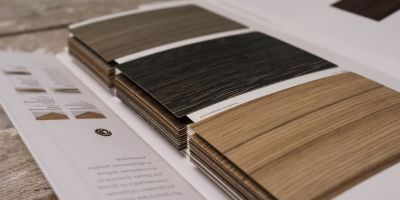
Not only is wood veneer durable, but in many technical ways, veneer sheets are more stable and resistant to environmental stress than solid lumber. Whether you are working with a delicate burl or a standard white oak veneer, the way these sheets are engineered gives you the best of both worlds: the beauty of real wood and the strength of a stable core.
The Engineering Secret: Why It Stays Flat
The secret to why wood veneer sheets outperform solid wood in the long run lies in the construction. When you have a solid slab of wood, it’s constantly fighting the atmosphere. It wants to cup, twist, and crack as the seasons change.
-
Resistance to Warping: Solid wood is a "living" material that reacts to temperature and humidity. Because wood veneer is a thin slice bonded to a stable substrate like high-quality MDF or Baltic birch plywood, it is far more resistant to these issues. The core acts as a stabilizer, holding the veneer sheets flat and true regardless of the weather.
-
Minimal Movement: In a humid shop or a sun-drenched living room, solid wood will expand and contract across its width. This leads to split joints and sticky drawers. Using white oak veneer or walnut veneer minimizes this movement, ensuring your miters stay tight and your panels stay flush for decades.
A Surface Built for the Real World
Some people worry that because wood veneer is thin, it can’t handle the daily grind. But remember, the surface of a veneer sheet is 100% genuine wood. When it comes to the "business end" of the furniture, it’s all about the finish.
-
Hard-Wearing Finishes: Whether you’re finishing a walnut veneer desk or a kitchen full of white oak veneer cabinets, you’re using the same professional-grade lacquers, polyurethanes, or oils you’d use on solid wood. These finishes protect the wood from scratches, coffee spills, and moisture.
-
Repairability: It’s a myth that you can't fix wood veneer. While you aren't going to sand it down a dozen times, small chips or scratches can be filled, burnished, and finished to look as good as new. In many cases, it’s easier to repair a localized spot on a stable wood veneer panel than it is to fix a massive crack in a solid wood slab.
The "Off-Site Veneer Department" Verdict
At Oakwood Veneer, we’ve spent 40 years seeing how different species hold up. From the rugged texture of Ash to the classic elegance of walnut veneer, we know that a well-applied sheet is a lifetime investment.
Solid wood has its place, but when you need a large, flat surface—like a dining table, a feature wall, or high-end cabinetry—veneer sheets are the professional choice for stability and durability. You get the high-end look without the high-maintenance headaches of solid lumber.
Ready to start a project that lasts? Explore our selection of over 400 species of wood veneer sheets or contact our team of experts to find the right backing and species for your next durable build.