

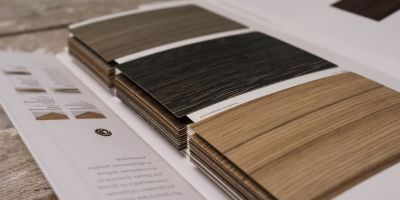

If you are running a custom cabinet or millwork shop right now, you already know that white oak veneer is basically a license to print money. It doesn't matter if you are bidding on high-end residential kitchens or modern corporate offices—designers and architects are absolutely obsessed with it.
But walk out onto the shop floor with a generic order for "white oak" and you are asking for trouble.
The way the log is sliced completely changes the face of the wood. It dictates whether your panels will look sleek, modern, and perfectly uniform, or traditional, rustic, and full of natural movement. If you pick the wrong cut for the design style, your finished casework is going to stick out like a sore thumb.
When you are ordering premium oak veneer sheets, the two primary options you will run into are flat cut (plain sliced) and rift sawn. Let’s break down the mechanical differences between these cuts, what makes them look the way they do, and how to match them to the right job site.
Flat Cut White Oak: The Traditional Heavyweight
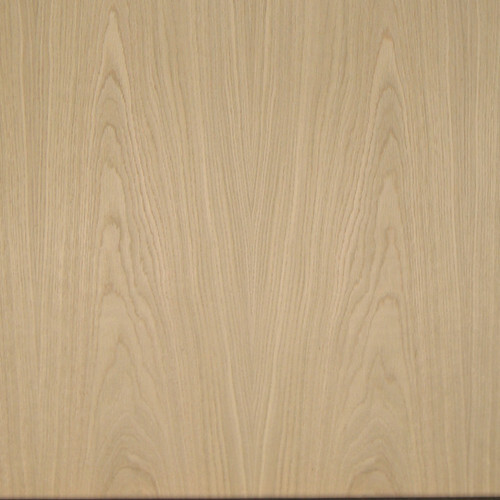
Flat cut—or plain sliced—is the classic look most people picture when they think of hardwood cabinetry. To make a flat cut sheet, the mill mounts the log and slices it straight through, parallel to the center of the tree.
What Makes It Special
This slicing method captures the entire natural growth cycle of the log, from the tight outer sapwood to the dense inner heartwood. Because the blade cuts across the growth rings at a shallow angle, it exposes broad, sweeping cathedral peaks and rolling grain arches. It is a highly expressive cut that highlights the natural, organic variation of the tree.
Best Applications
Flat cut material is all about embracing traditional wood drama. It thrives in spaces where you want the grain to be a visual feature rather than a background element.
- Traditional and Transitional Cabinetry: It provides that classic, time-tested look that pairs perfectly with shaker-style doors.
- Rustic or Warm Contemporary Designs: Where the client wants to see the full, unvarnished character of real wood, including subtle color shifts and wide cathedral arches.
- Large Furniture Pieces: Excellent for heavy tables, desks, and standalone casework where wide surface areas let the sweeping grain patterns stretch out naturally.
White Rift Oak: The Minimalist Masterpiece
When a client walks into your shop demanding a ultra-clean, high-end modern aesthetic, flat cut cathedrals aren't going to cut it. You need to step up to a premium rift cut white oak.
What Makes It Special
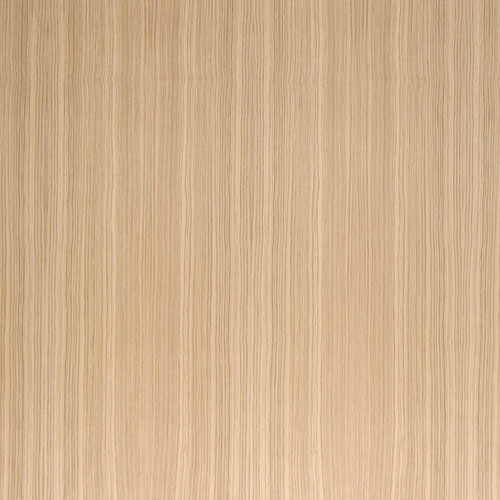
Unlike standard plain-slicing, rift sawn white oak is manufactured by milling the log at a precise 45-degree angle to the growth rings. This structural shifting of the log completely eliminates the looping cathedral arches.
Instead, it isolates the straightest possible grain lines, delivering tight, linear, vertical lines that run perfectly parallel down the entire face of the sheet. Even better, because it is cut at that strict 45-degree angle, it completely eliminates the flashy, wavy "fleck" patterns that you normally see in quarter-sawn oak sheets. You are left with ultimate, uninterrupted visual consistency across the entire face.
Best Applications
Rift cuts are the absolute gold standard for clean, upscale architectural millwork where any curvature or distortion in the grain ruins the design continuity.
- High-End, Minimalist Kitchens: Ideal for full-overlay or inset slab cabinet doors where you want the vertical grain lines to run seamlessly from floor to ceiling.
- Seamless Architectural Wall Paneling: Perfect for massive vertical accent walls in luxury homes or corporate lobbies where you need absolute panel-to-panel consistency.
- Modern Flush Slab Doors: Providing a sleek, geometric look that complements minimalist metal and stone hardware.
Smart Material Choice: Matching Core and Edges
No matter which cut your client signs off on, keeping your materials consistent across the entire build is how you protect your profit margins.
If you are fabricating large-scale built-ins, wall panels, or heavy carcass boxes, trying to lay up raw sheets all day can create a massive bottleneck in a busy shop. Swapping to pre-matched, industrial-grade white oak plywood or structured oak ply board gives you a stable, flat core while keeping your face grain perfectly aligned right off the rack.
And remember to finish the job right at the edges. If you spend the money on a premium white oak wood veneer face, don't ruin the look with cheap, mismatched edge tape. Make sure you back up your straight-line panels with a dedicated linear edge line to ensure those clean vertical lines wrap around your panel borders without a visible break.
The Bottom Line
Choosing between flat cut and rift sawn white oak veneer isn't a question of which material is better—it’s a question of matching the mechanics of the cut to the architectural style of the job.
If your project calls for a rich, traditional, or rustic feel with plenty of natural timber character, stick with the sweeping cathedrals of flat cut. But if your blueprints demand a disciplined, ultra-clean, modern appearance with zero visual distractions, save yourself the headache and specify a premium rift cut white oak from the start. Talk it through with your client before you drop the blade—getting the grain geometry right on day one is the secret to a flawless handoff.