

What is Zebrawood Veneer?
Zebrawood (Microberlinia brazzavillensis) is a premier exotic hardwood recognized globally for its high-contrast, "zebra-like" appearance. Sourced primarily from the tropical forests of West Africa—specifically Cameroon and Gabon—this species has become a staple in luxury woodworking and architectural design.
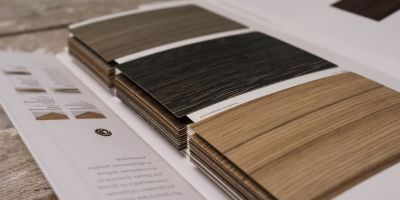
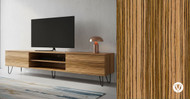
The wood is characterized by a vibrant golden-yellow heartwood marked by deep brown to jet-black streaks. Because of its unique aesthetic, it is frequently used as a decorative lumber alternative in the form of high-quality veneer to provide a high-end look without the weight or cost of solid slabs.
Physical Characteristics & Grain Structure
The hallmark of Zebrawood is its interlocked grain. When the logs are quarter-sawn, this structure yields the perfectly straight, parallel lines that define the "classic" Zebrawood look.
-
Texture: It possesses a coarse, open-pored texture.
-
Durability: Beyond its beauty, it is a remarkably tough and durable material. Historically, its resilience led to its use in rugged applications like tool handles and even vintage ski equipment.
-
Surface Prep: Because the pores are open, we recommend using a grain filler during the finishing process to achieve a professional, glass-smooth surface.
Pro Tips: Working with Zebrawood Veneer
Zebrawood is a dense material with varying hardness across its stripes, which can make it temperamental during fabrication.
-
Preventing Tear-out: Always use sharp, high-carbide tools. The alternating density of the stripes can cause "chatter" or tearing if your blades are dull.
-
Adhesion: This species takes glue exceptionally well. Whether you are using a paper-back or wood-on-wood backer, a standard high-quality contact cement or wood glue will provide a permanent bond.
-
Finishing: To preserve the natural contrast between the golden heartwood and dark stripes, a clear topcoat is usually preferred over heavy stains.
Popular Design Applications
From residential kitchen refacing to commercial executive suites, Zebrawood creates an immediate focal point.
-
Architectural Paneling: Ideal for feature walls in hotel lobbies and luxury offices.
-
Custom Furniture: Frequently used for modern inlays, dressers, and statement boardroom tables.
-
Luxury Interiors: A heritage choice for high-end automotive dashboards and trim.
-
Specialty Crafting: Its density makes it a favorite for custom jewelry boxes and boutique tool handles.
Comparison: Zebrawood vs. Macassar Ebony
|
Feature |
Zebrawood Veneer |
|
|---|---|---|
|
Primary Origin |
West Africa |
Southeast Asia |
|
Color Profile |
Golden yellow w/ dark stripes |
Black w/ tan streaks |
|
Grain Pattern |
Predictable linear stripes |
Variegated swirls & bands |
|
Surface Feel |
Coarse (Open Pores) |
Fine to Medium |
|
Workability |
Moderate |
Difficult (Very Dense) |
Summary
Zebrawood veneer is more than a building material; it is a statement of luxury and craftsmanship. By understanding its African origins and unique physical properties, you can successfully integrate this bold hardwood into your next high-end project.